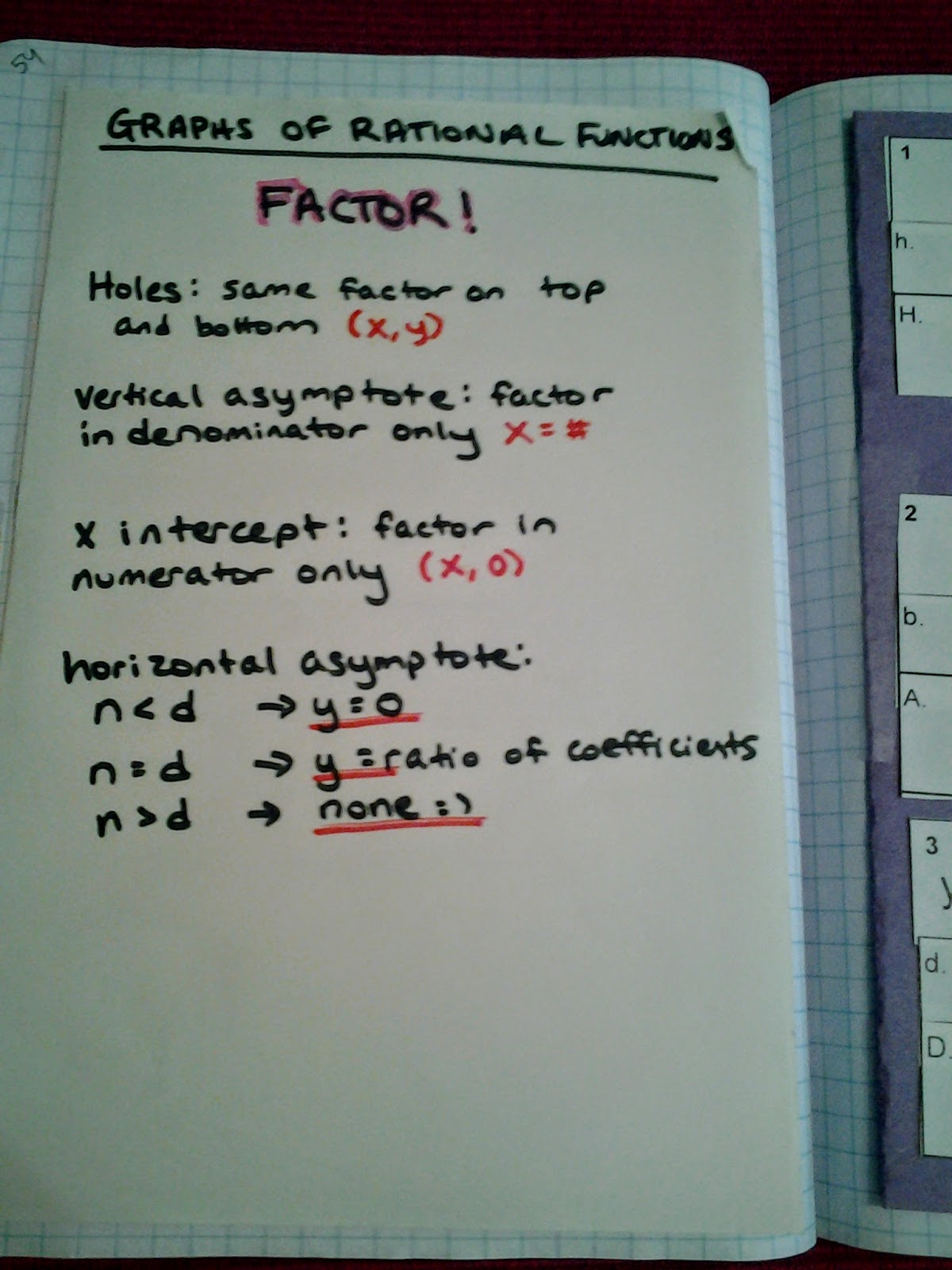
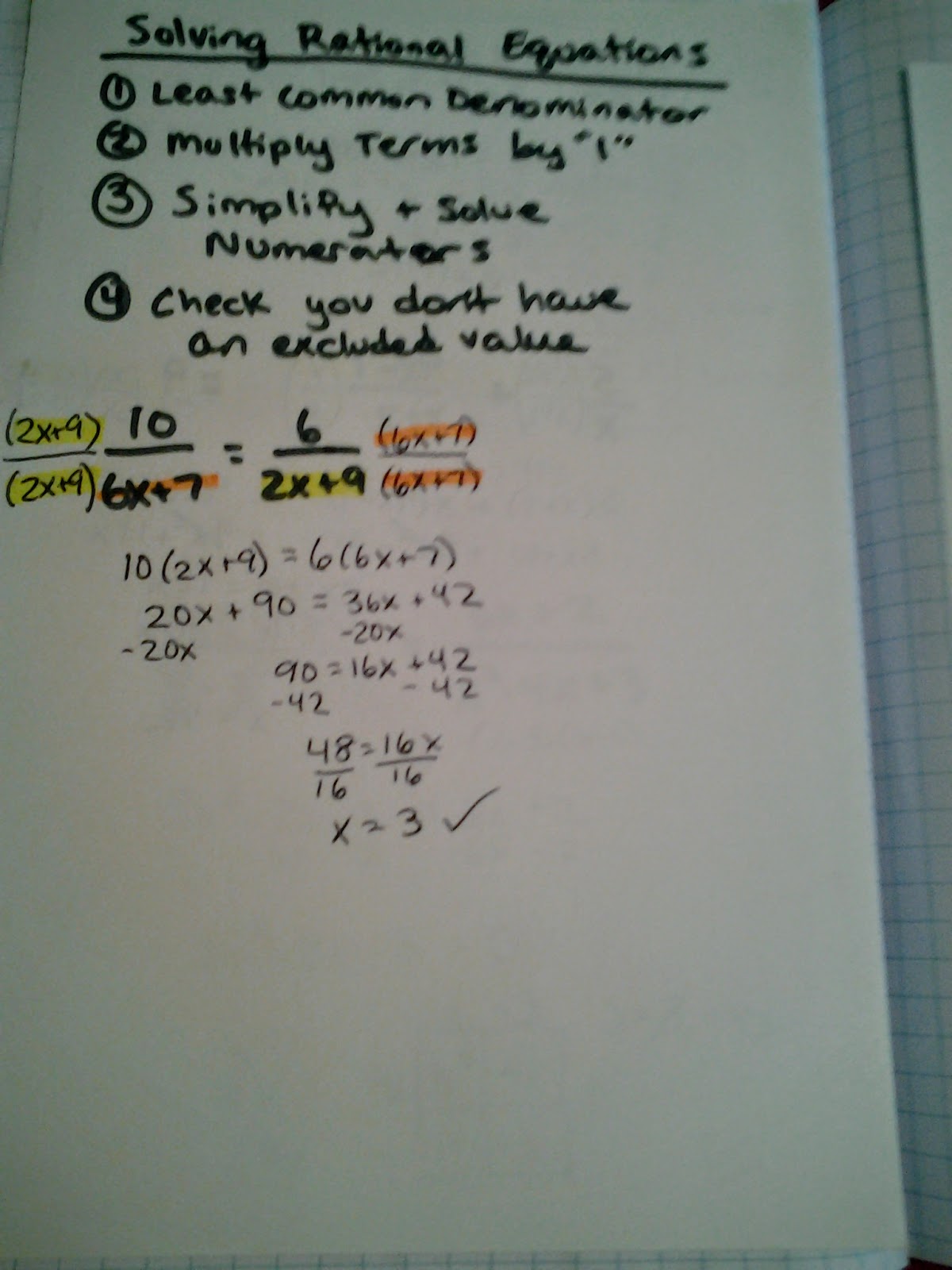
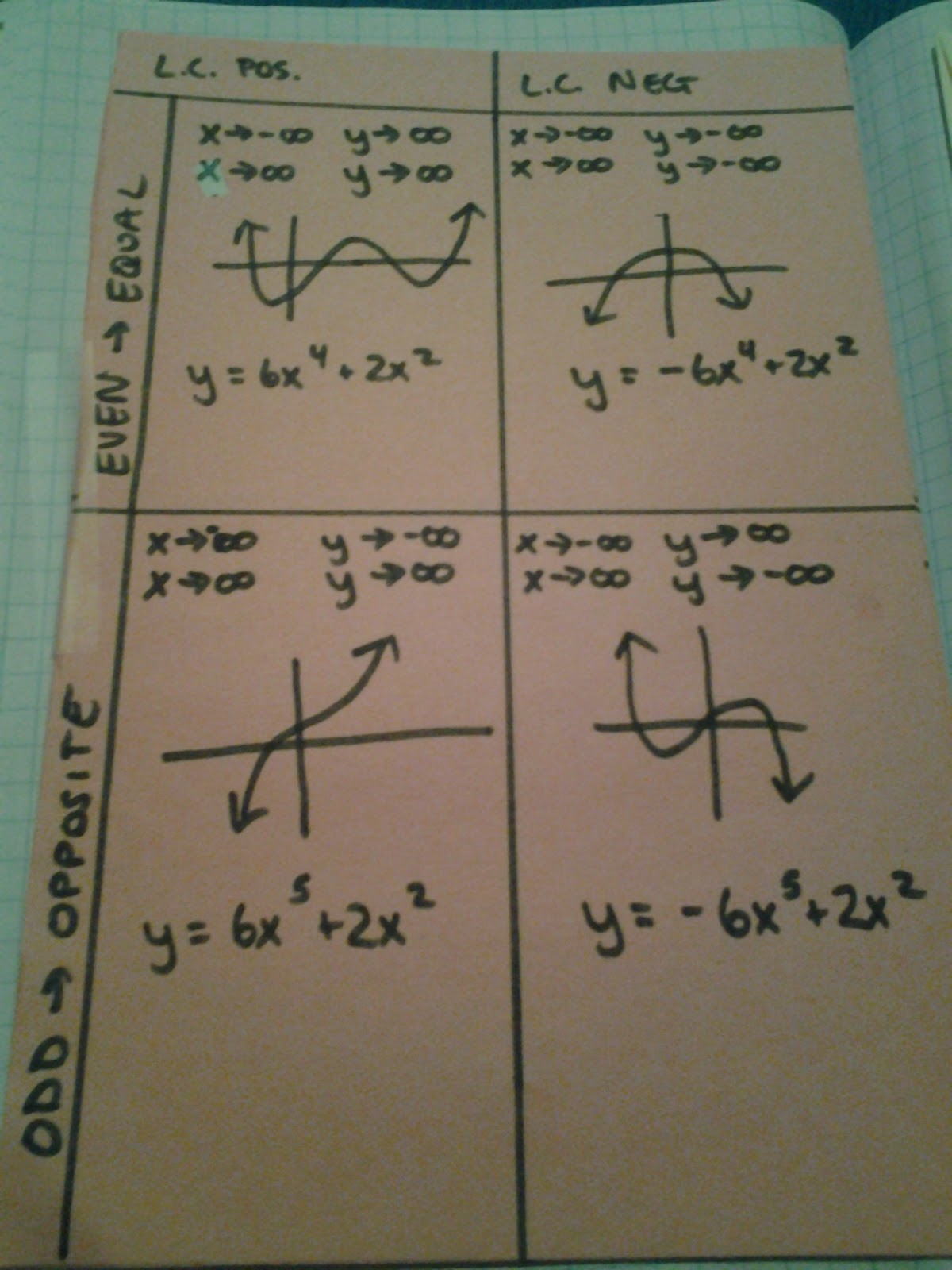
I'd be lying if I said I didn't love teaching polynomials. Maybe it is because it is one of those units where a lot of previous topics start coming together, but in any case - I love it. In the spring the first part of the unit started off while we were having a million snow days so luckily it transitioned well to students completing at home with my videos, but we didn't get to do some of the fun activities I made. However I have still included them.
Add/Subtract/Multiply Polynomials
At this point students have added and subtracted any polynomials, but have only multiplied as high as binomials times a trinomials. This is where we step it up a notch and where my love of the box comes out in full style. Usually in class I would be doing some sort of excited dance about the box because I know what is coming the next day...DIVIDING W/ the Box...but holding on:
Notes:
Right Hand:
Bull's eye worksheet. They add the first circle, then subtract, then multiply to what is on the side. Good discussion of order and whether we are always going back to the original. If we had been in class we would have practiced with dice I made with different polynomials written on them. Then roll a die 1,2 means add them, 3,4 means subtract, and 5,6 means multiply.
Divide Polynomials
I've already written a blog post here* about how I teach dividing. It is my favorite thing ever. Check it out =). I've included the pics here again. If it hadn't been a snow day then we would have done a Showdown activity found
here. To learn how to play the game look here*.
Remainder Theorem
This page is one of my efforts to turn something boring like a simple worksheet into a sorting activity. I just formatted a
kuta worksheet to be just the polynomials. Students then sorted whether they were factors/roots or not. At first I was going to make a big stink about factors vs. roots...but I didn't hold to it very well. Oops. Also the green = yes a factor/root....red = no. Because color with purpose = <3
Factoring Completely Given Known Factor
Typed up some lovely
notes.
Then they did a
speed dating activity to practice.
Rational Root Theorem
More
wonderful notes. I wasn't super evil in making them use trial and error to find the roots. We just talked about them being the only possible rational ones and then found the right ones on the graphing calculator.
I had this beautiful idea for an activity for the day. Since they were going to be solving polynomials and sometimes there are multiple ways, ie factoring vs graphing or maybe quadratic formula vs completing the square when they get to the end I thought it would work well for an activity I heard at a conference. You give each group an envelope with a problem on the front., When they finish, they put the problem solution in the envelope and pass it on. The next group tries without looking at prior groups' responses and at the end the last group looks at all the answers and chooses the one they like the most. So great...however...I did not feel it that day so they ended up just doing the problems. C'est la vie.
Problems found
here. I was of course proud of the nifty little book I got them to make.
Irrational and Imaginary Root Theorem/Write Eq from Roots
I loved the changes I made to this section after seeing
this from Denis Sheeran.
First we did some notes about irrational and imaginary root theorems. I really need to emphasize better the benefit of the theorem is that we can always use the POSITIVE conjugate when writing equations like on the right hand page. Otherwise their brain tends to explode with the squaring a negative is a positive, but i^2 is -1...etc.
Root Theorem Notes
Writing EQ Given Roots Notes
Writing EQ Around the World Activity (Answer sheet,
activity)
Graphs of Polynomials
I like Meg Craig (@mathymeg) could spend 200 million years talking about graphing polys. I love them. I started with students sorting graphs according to common features. I used the cards from Julie at
ispeakmath that she adapted from Amy at
Square Root of Negative One Teach Math. They sorted the graphs first, then we talked about the features and they matched the word cards to them. Of course, typical Type-A style we fit them into a table and then summarized the table on the front. On the back we took notes on how to sketch.
Then we did a version of speed dating. I put problems of either graphing or writing an eq from a graph on a pair of desks. Students rotated through all of the pairs. For the group with the writing an eq from graph they were given a strip of labels to write the answers on so that the cards effectively turned into flash cards.
For the sketching problems I formatted
this page with just the equations. For writing the equations I used a worksheet I can't find...If I run across it I will add it here.
Thanks for coming to the Polynomial Party =)
Here is the box info for the whole unit
link: